Process of Making Plastic Bags
Learn the process of making plastic bags, from raw material extraction to film extrusion and final production. Discover how plastic bags are made in modern factories with efficient and sustainable manufacturing processes.
The process of making plastic bags is a highly engineered system that transforms raw materials into essential everyday products. From supermarkets to industrial packaging, plastic bags play a vital role in modern life. Understanding how plastic bags are made helps businesses and consumers better appreciate both the efficiency and the environmental impact of this industry.
In this guide, we’ll break down the plastic bag manufacturing process step by step, from raw material extraction to final product conversion.
Overview of the plastic bag production process
The plastic bag production process involves multiple stages that combine chemical engineering, machinery, and quality control. Each step ensures that the final product meets durability, flexibility, and cost requirements.
Generally, the process of making plastic bags includes:
-
Raw material extraction and preparation
-
Film extrusion
-
Conversion into finished bags
Let’s explore each stage in detail.
Step 1: Raw material extraction
The first stage in the process of making plastic bags begins with sourcing raw materials. Most plastic bags are made from polyethylene, a polymer derived from crude oil or natural gas.
During this phase:
-
Hydrocarbons are extracted through drilling
-
Raw materials are transported to refineries
-
Chemical processes convert them into polyethylene
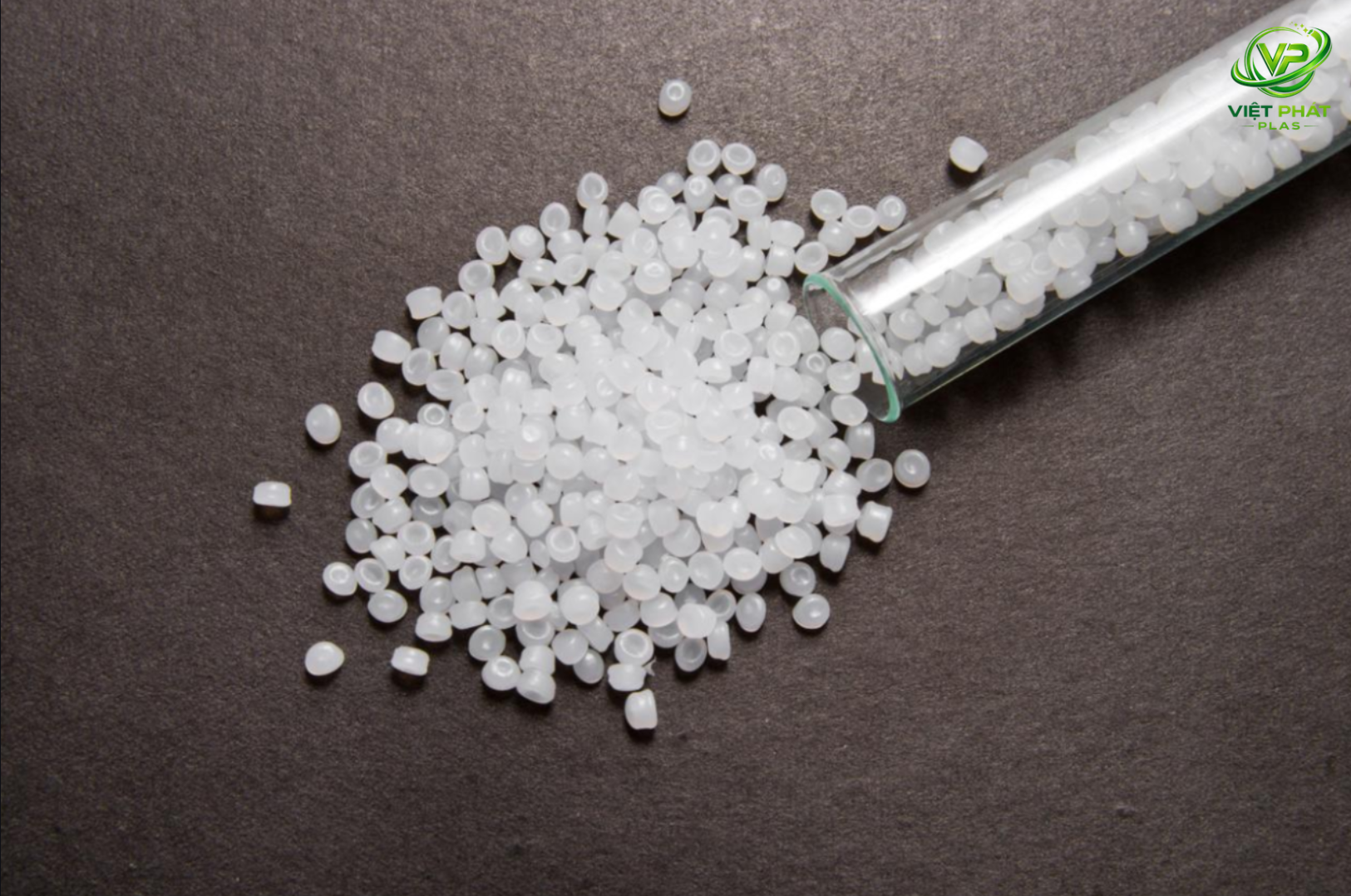
Plastic raw materials used in bag production
These materials are then turned into small resin pellets, which are the foundation of the entire plastic bag manufacturing process.
Why this step matters
The quality of these pellets directly affects how plastic bags are made later in the process. High-quality resin ensures:
-
Better strength
-
Higher flexibility
-
Improved durability
This stage plays a critical role in determining the overall efficiency of the plastic bag production process.
Step 2: Film extrusion
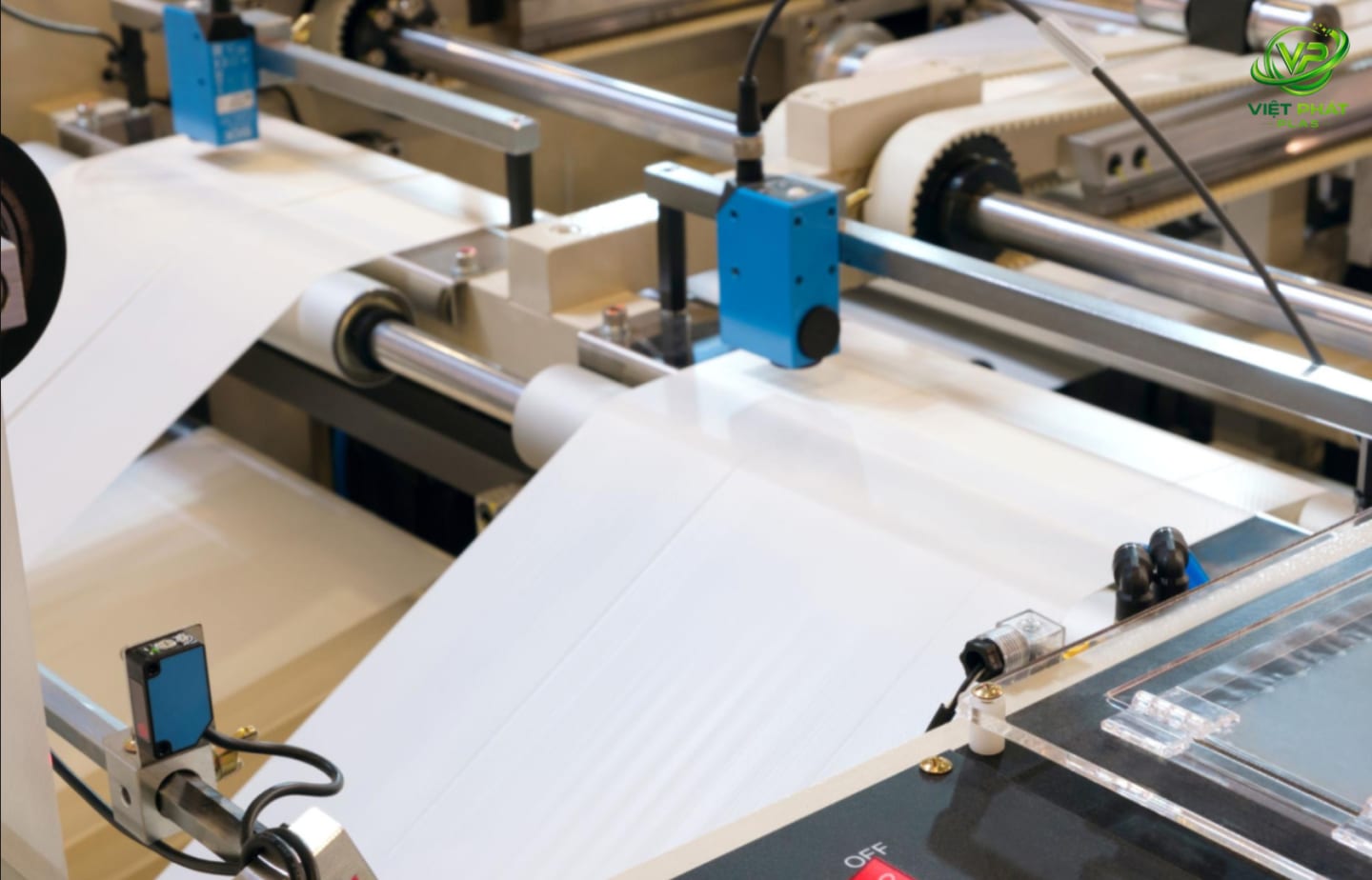
Film extrusion is one of the most important steps in the process of making plastic bags. This is where raw plastic pellets are transformed into thin plastic film.
How it works
-
Resin pellets are fed into an extruder
-
The machine heats them to around 200 - 300°C
-
Melted plastic is pushed through a circular die
-
Air is blown into the tube to create a “bubble”
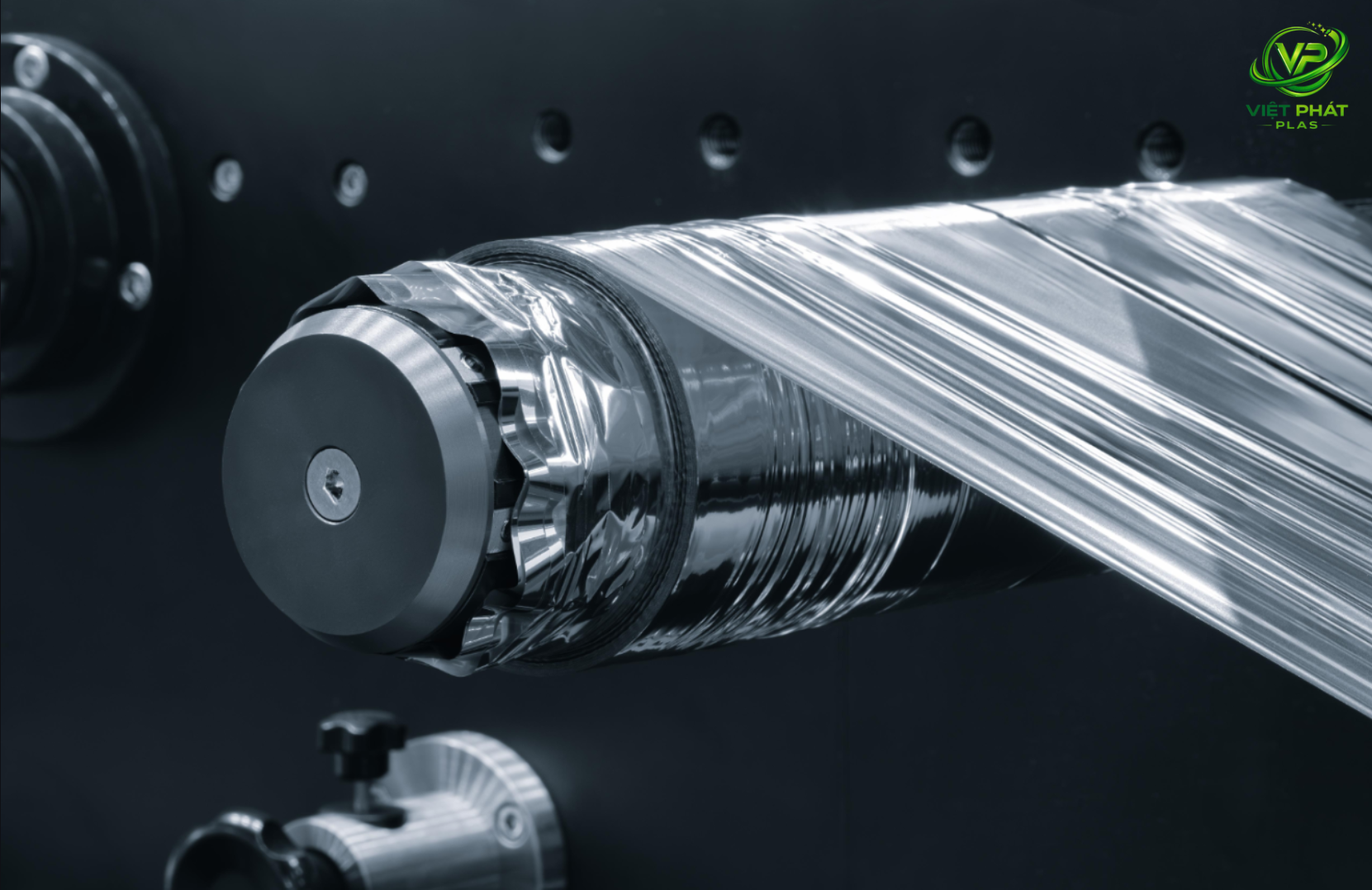
Film extrusion process in plastic bag manufacturing
This method is known as blown film extrusion, a core technique in the plastic bag manufacturing process.
As the bubble rises:
-
It cools and solidifies
-
It is flattened into sheets
-
The film is rolled for further processing
Importance of precision
In this stage, precision determines how well how plastic bags are made meets quality standards. Manufacturers carefully control:
-
Film thickness
-
Strength
-
Transparency
A consistent film is essential for a stable plastic bag production process.
Step 3: Conversion to plastic bags
Once the plastic film is ready, it moves to the final stage of the process of making plastic bags: conversion.
This stage transforms film rolls into finished products using automated machines.
Key operations
-
Cutting film into specific shapes
-
Sealing edges using heat
-
Creating handles or gussets
-
Printing logos and branding
This is where customization plays a major role in the plastic bag manufacturing process.
Types of bags produced
Depending on the design, manufacturers can produce:
-
Grocery bags
-
Trash bags
-
Produce bags on a roll
-
Industrial liners
This flexibility explains why how plastic bags are made can vary slightly depending on the end-use.
Innovations in the plastic bag manufacturing process
As sustainability becomes more important, the plastic bag manufacturing process continues to evolve. Manufacturers are developing new methods to reduce environmental impact while maintaining performance.
Recycled materials (PCR)
One major innovation in the process of making plastic bags is the use of post-consumer recycled (PCR) plastic.
Benefits include:
-
Reducing reliance on virgin materials
-
Lowering production costs over time
-
Supporting circular economy models
PCR integration does not significantly change how plastic bags are made, but it improves sustainability.
Biodegradable and compostable bags
Another advancement in the plastic bag production process is the development of biodegradable materials.
These bags:
-
Break down faster under certain conditions
-
Reduce long-term environmental impact
Although the structure of how plastic bags are made remains similar, specialized additives are used during production.
Challenges in the process of making plastic bags
Despite its efficiency, the process of making plastic bags faces several challenges.
Environmental impact
Plastic waste remains a global issue. While the plastic bag manufacturing process is efficient, improper disposal leads to pollution.
Energy consumption
The plastic bag production process requires:
-
High temperatures
-
Continuous machine operation
This results in significant energy use.
Cost vs sustainability
Eco-friendly materials can increase costs, making it harder to balance affordability and sustainability in how plastic bags are made.
Solutions and future trends
To address these challenges, manufacturers are improving the plastic bag manufacturing process through:
-
Renewable energy adoption
-
Advanced recycling technologies
-
More efficient extrusion systems
The future of the process of making plastic bags will likely focus on reducing carbon footprint while maintaining product quality.
Global importance of plastic bag production
The plastic bag production process supports industries worldwide, including:
-
Retail
-
Food service
-
Agriculture
-
Logistics
Because of their versatility, understanding how plastic bags are made is crucial for businesses looking to optimize packaging solutions.
At the same time, global regulations are pushing the plastic bag manufacturing process toward more sustainable practices.
Conclusion
The process of making plastic bags is a sophisticated combination of science, engineering, and innovation. From raw material extraction to film extrusion and final conversion, each stage is essential in delivering reliable and cost-effective packaging solutions.
As the industry evolves, improvements in the plastic bag manufacturing process and the integration of recycled and biodegradable materials are shaping a more sustainable future. Vietphatplas continuously invests in modern technology and eco-friendly solutions to align with global sustainability trends. Understanding how plastic bags are made not only highlights the complexity behind these everyday items but also emphasizes the importance of responsible production and usage.
>>>>> For quotation details and custom plastic product price, visit:
https://vietphatplas.com/en/contact-us
>>>>>>> Learn more about Top Custom Plastic Bag Manufacturer In Vietnam:
https://vietphatplas.com/en/blogs/top-custom-plastic-bag-manufacturer-in-viet-nam-vietphatplas