How to Test Plastic Bag Strength for Better Quality

Learn the most effective plastic bag strength testing methods, including tensile, impact, and puncture tests, to ensure packaging durability and product quality.
Plastic bags remain essential for retail, food packaging, and industrial applications worldwide. Strong bags protect products and improve customer satisfaction. Weak bags can tear easily and create negative experiences for users.
For manufacturers and importers, understanding plastic bag strength is extremely important. Strong packaging reduces complaints and supports international quality standards. Many buyers now request durability reports before placing large orders.
Today, many factories use advanced machines and practical inspections for testing plastic bag performance. These tests help manufacturers produce safer and more reliable packaging products.
This article explains the most effective plastic bag strength testing methods and useful ways to improve packaging durability.
Why plastic bag strength matters
Good packaging protects products during transportation and storage. High-quality bags also improve brand reputation and customer trust.
Many businesses focus heavily on plastic bag strength because stronger bags reduce damage and product loss. Durable bags can also support reuse applications.
Several industries require excellent bag strength for daily operations:
-
Supermarkets
-
Food delivery companies
-
Fashion retailers
-
Industrial packaging suppliers
-
Garbage bag manufacturers
Modern customers also prefer reusable products. Better bag strength supports sustainability by reducing unnecessary waste.
International markets often apply strict regulations for packaging quality. European and American buyers usually request testing reports before shipment approval.
Because of this demand, manufacturers continue improving testing plastic bag procedures in production facilities.
Common plastic bag strength testing methods
Factories use several professional inspections to measure packaging durability. These plastic bag strength testing methods help manufacturers detect weak materials early.
Below are the most common testing procedures used in the packaging industry.
Tensile testing for plastic bags
Tensile testing measures how much pulling force a bag can withstand before breaking. This method is widely used for export packaging.
During the process, machines stretch plastic film horizontally and vertically. The machine records the maximum load before tearing occurs.
Manufacturers use this inspection to evaluate:
-
Film flexibility
-
Maximum carrying capacity
-
Stretching performance
-
Overall bag strength
This is one of the most important plastic bag strength testing methods because it provides accurate measurement results.
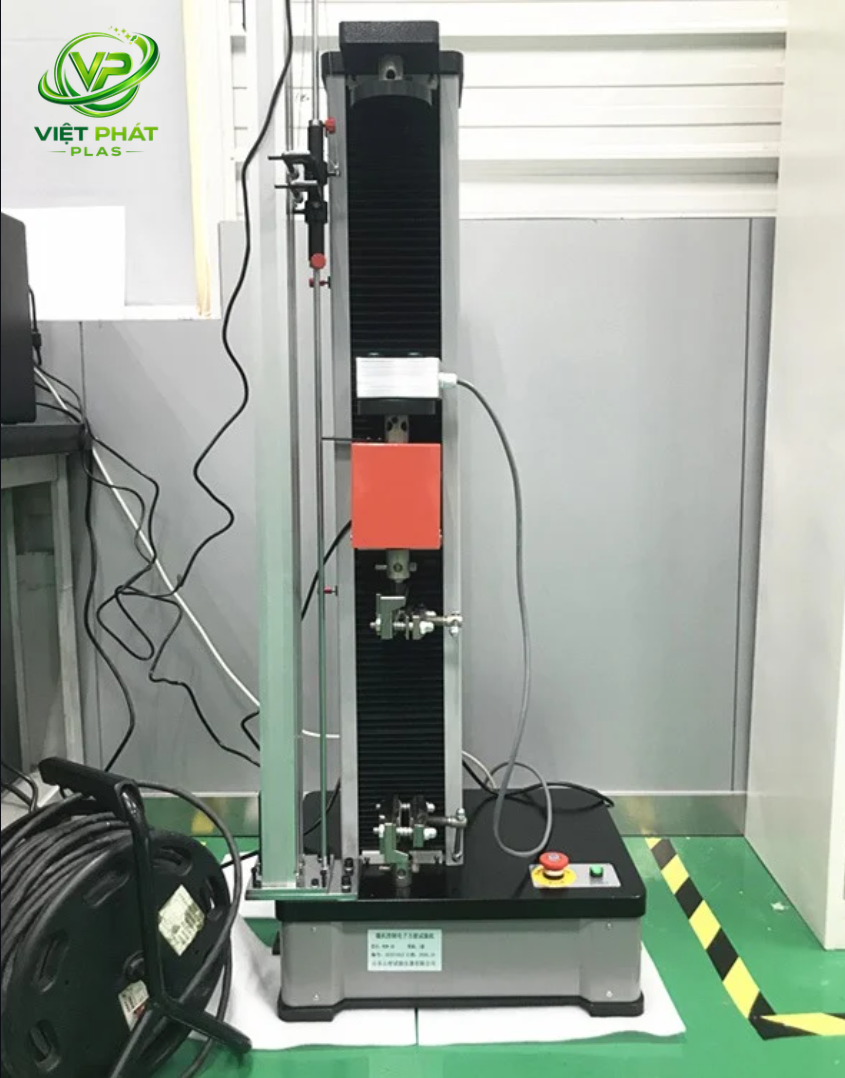
Tensile testing machine checking plastic bag film
Dart impact testing
Dart impact testing measures resistance against sudden pressure. This method simulates real transportation conditions.
In this procedure, a weighted object drops onto the plastic film from a specific height. The result shows how well the material absorbs impact.
Factories often use this process when testing plastic bag durability for shopping bags and garbage bags.
This inspection helps manufacturers improve:
-
Drop resistance
-
Shock absorption
-
Film durability
-
Overall plastic bag strength
Many packaging suppliers combine tensile and impact testing for better quality evaluation.
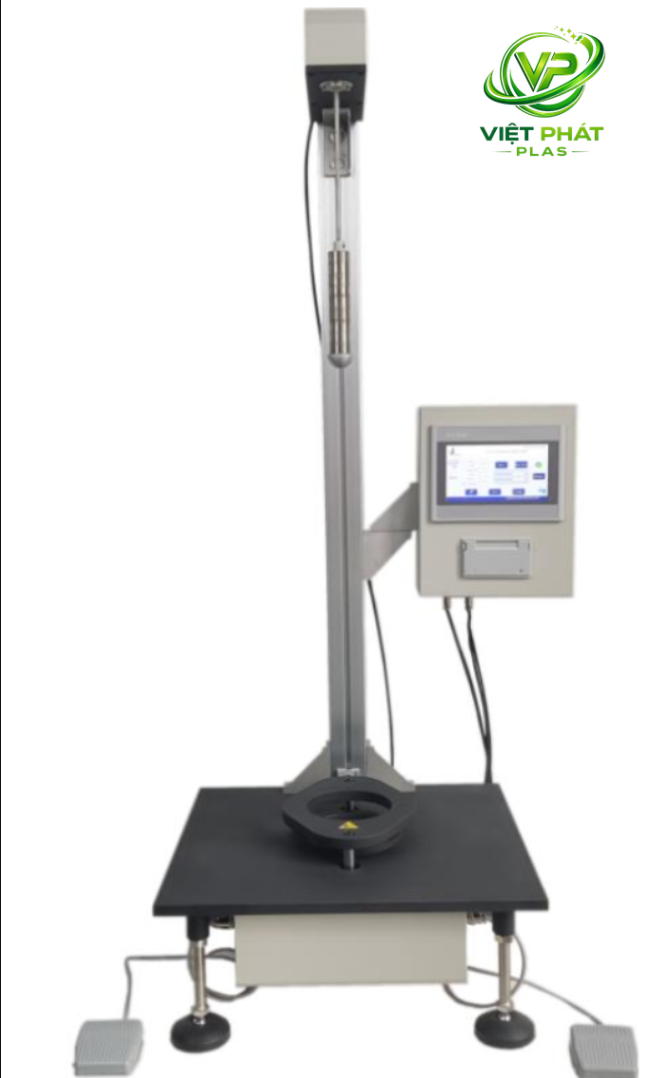
Dart impact testing machine for plastic packaging
Puncture resistance testing
Sharp objects can damage low-quality packaging quickly. Puncture testing evaluates resistance against pointed materials.
During this process, a sharp metal probe presses against the film surface. Machines measure the force required for penetration.
Heavy-duty bags usually require stronger puncture resistance. Industrial customers especially care about this performance factor.
This process supports better bag strength for:
-
Garbage bags
-
Frozen food bags
-
Industrial packaging
-
Heavy shopping bags
Among all plastic bag strength testing methods, puncture testing is essential for heavy-load applications.
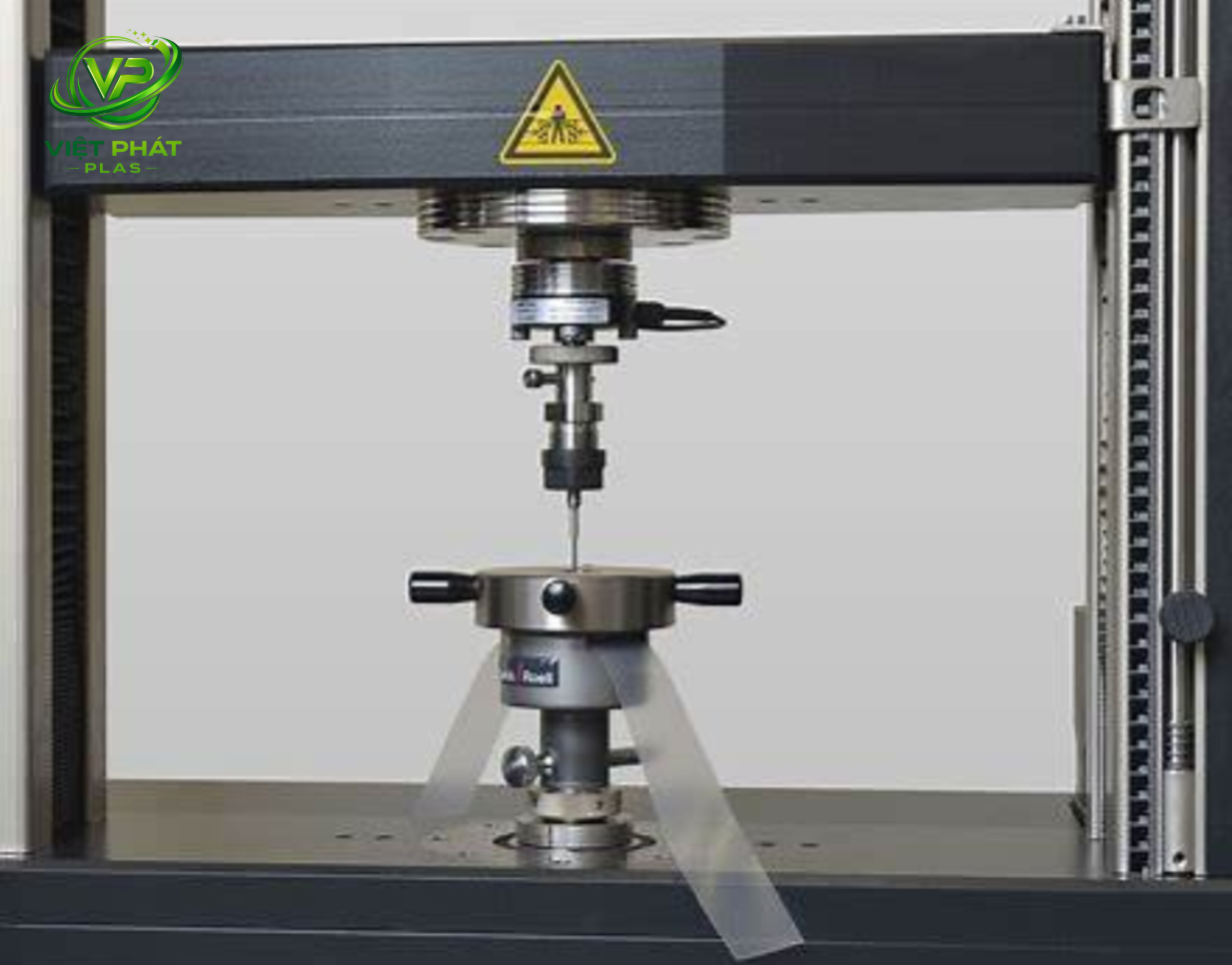
Puncture resistance testing for heavy-duty plastic bags
Manual methods for testing plastic bag quality
Professional machines provide accurate results. However, simple manual inspections remain useful for quick quality checks.
Many small factories still perform basic methods for testing plastic bag performance during production.
Weight carrying test
This method simulates real customer usage conditions. Workers place specific weights inside the bag and lift repeatedly.
If the bag remains undamaged, the material quality is acceptable.
Manufacturers often use this process to evaluate practical bag strength before shipment.
For example:
-
Grocery bags may carry 8 to 10 kilograms
-
Garbage bags may hold wet waste
-
Retail bags may support repeated use
This test is simple but highly effective.
Hand stretch inspection
Hand stretching is another quick inspection method. Workers stretch the film carefully using both hands.
Strong material stretches slightly without immediate tearing. Weak film breaks very quickly during inspection.
Although simple, this method helps workers identify production problems early.
Many manufacturers combine hand inspections with machine-based plastic bag strength testing methods for better reliability.
Factories performing regular inspections usually achieve more stable plastic bag strength results.
How manufacturers improve plastic bag strength
High-quality raw materials greatly improve packaging performance. Virgin resin usually creates stronger and smoother plastic film.
Factories also use special additives to improve flexibility and durability.
Several factors influence overall plastic bag strength:
-
Material quality
-
Film thickness
-
Extrusion technology
-
Cooling systems
-
Production speed
Modern extrusion machines help maintain stable thickness across the entire film surface. Consistent thickness supports better bag strength and reduces weak points.
Many factories now add metallocene materials during production. These additives improve flexibility and tear resistance significantly.
Optimized sealing technology also improves package durability. Poor sealing often causes bag failure during carrying.
Because of this, manufacturers continue investing in better equipment for testing plastic bag quality.
Choosing the right plastic bag manufacturer
Reliable suppliers always prioritize quality inspections and advanced production systems. Buyers should carefully evaluate factory testing capabilities before cooperation.
Professional manufacturers usually provide:
-
Quality certificates
-
Material specifications
-
Durability reports
-
Production samples
-
Export experience
Experienced factories understand global packaging requirements clearly. They also apply advanced plastic bag strength testing methods consistently.
When selecting suppliers, buyers should ask detailed questions about testing plastic bag procedures and quality control standards.
Strong quality management systems produce more consistent bag strength performance across all production batches.
Conclusion
Packaging durability directly affects product safety and customer satisfaction. Strong packaging also supports better brand reputation and lower operational costs.
Today, manufacturers use advanced equipment and practical inspections for improving plastic bag strength. Professional testing helps factories maintain consistent quality standards.
Reliable plastic bag strength testing methods allow businesses to detect defects early and improve product performance effectively.
As global packaging standards continue increasing, proper testing plastic bag quality becomes even more important for manufacturers and importers worldwide.
If you are looking for a reliable plastic bag manufacturer in Vietnam, VietPhatPlas is ready to support your business with customized packaging solutions and strict quality control standards.
📞 Contact VietPhatPlas Today:
-
Phone: +84 342 815 298
-
Office: 119 Alley 7, Quan Chay Street, An Khanh Commune, Hanoi City
-
Factory: 119 Alley 7, Quan Chay Street, An Khanh Commune, Hanoi City