How To Choose The Right Reusable Shopping Bag For Retail Businesses In 2026
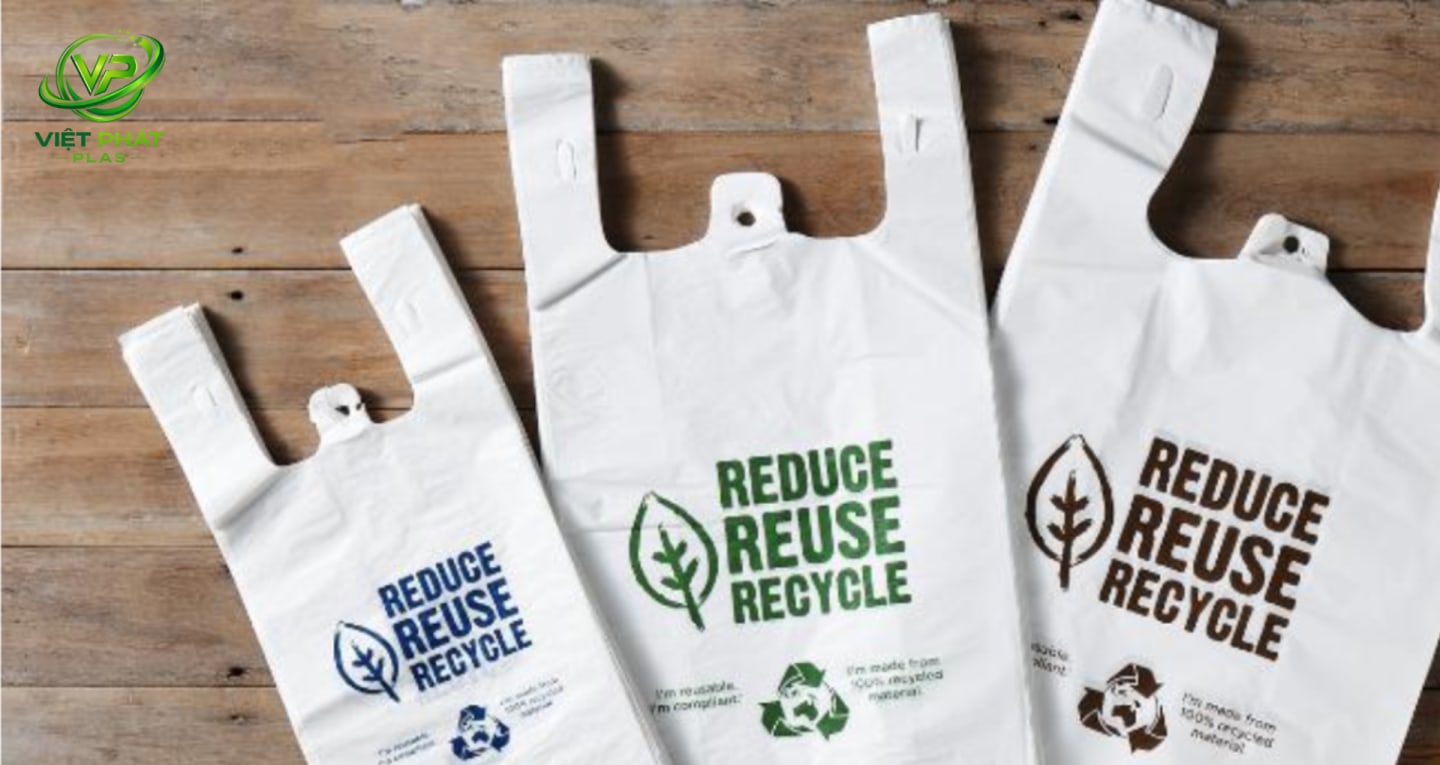
Explore reusable shopping bag prices, material comparisons, and supplier tips for retail businesses in 2026. Learn about HDPE plastic bag and LDPE plastic bag solutions from Vietphatplas.
A reusable shopping bag has become one of the most practical choices for modern retail businesses. These bags help companies lower packaging waste while supporting long-term branding goals.
Today, supermarkets, fashion stores, and wholesalers actively search for affordable reusable packaging products. Buyers also compare durability, material quality, and production costs before placing large orders.
Why retailers prefer reusable packaging
Many countries now restrict single-use plastic packaging, forcing retailers to adopt more sustainable solutions. A reusable shopping bag helps businesses reduce waste while keeping packaging costs reasonable. Consumers also prefer eco-friendly packaging, making reusable products valuable for both branding and customer loyalty.
Main materials used for reusable bags
Different materials create different bag performance levels. Some materials focus on affordability, while others prioritize strength and durability.
Choosing the correct material depends on product weight, customer expectations, and market positioning.
HDPE reusable bags
The HDPE plastic bag remains one of the most common retail packaging products worldwide.
This material creates lightweight but durable shopping bags. Many supermarkets use HDPE packaging because production costs remain competitive.
An HDPE plastic bag also offers excellent moisture resistance. This feature makes it suitable for groceries and frozen products.
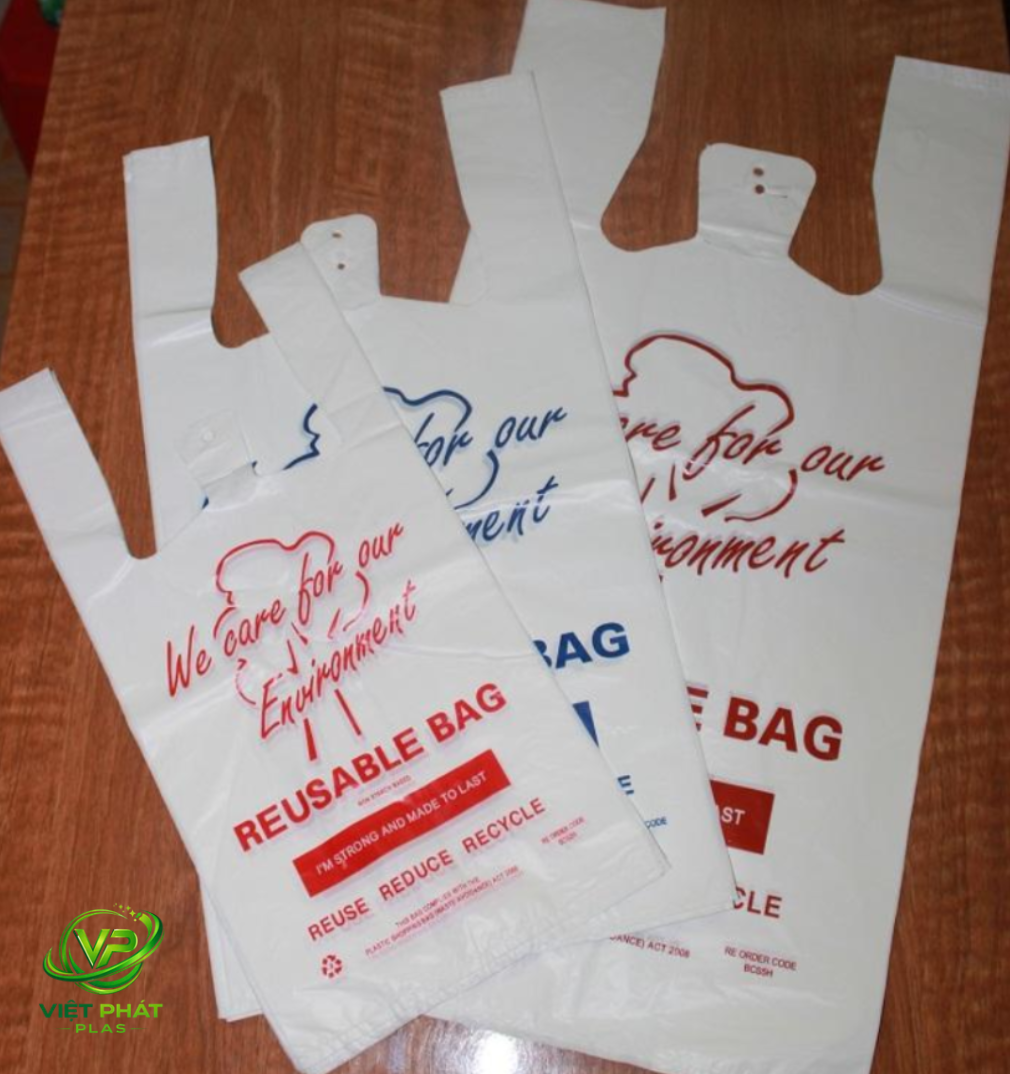
HDPE and LDPE reusable shopping bags in retail stores
Manufacturers can produce glossy or matte surfaces depending on customer requirements. Printing quality on HDPE material is also very consistent.
Many exporters produce recycled and virgin HDPE options for different markets.
LDPE reusable bags
The LDPE plastic bag provides a softer and more flexible texture than HDPE material. LDPE stands for Low-Density Polyethylene.
Retail brands often use LDPE packaging for fashion products and premium shopping experiences.
An LDPE plastic bag usually looks smoother and feels more comfortable during use. Customers often reuse these bags multiple times.
This material also supports strong logo printing and attractive surface finishes.
Compared with HDPE, LDPE production costs are usually slightly higher.
Many businesses choose LDPE material for boutique stores and cosmetic packaging.
PP non-woven bags
PP non-woven bags use polypropylene fibers instead of traditional plastic film. These bags look similar to fabric products.
Many businesses use this type of reusable bag during exhibitions and promotional campaigns.
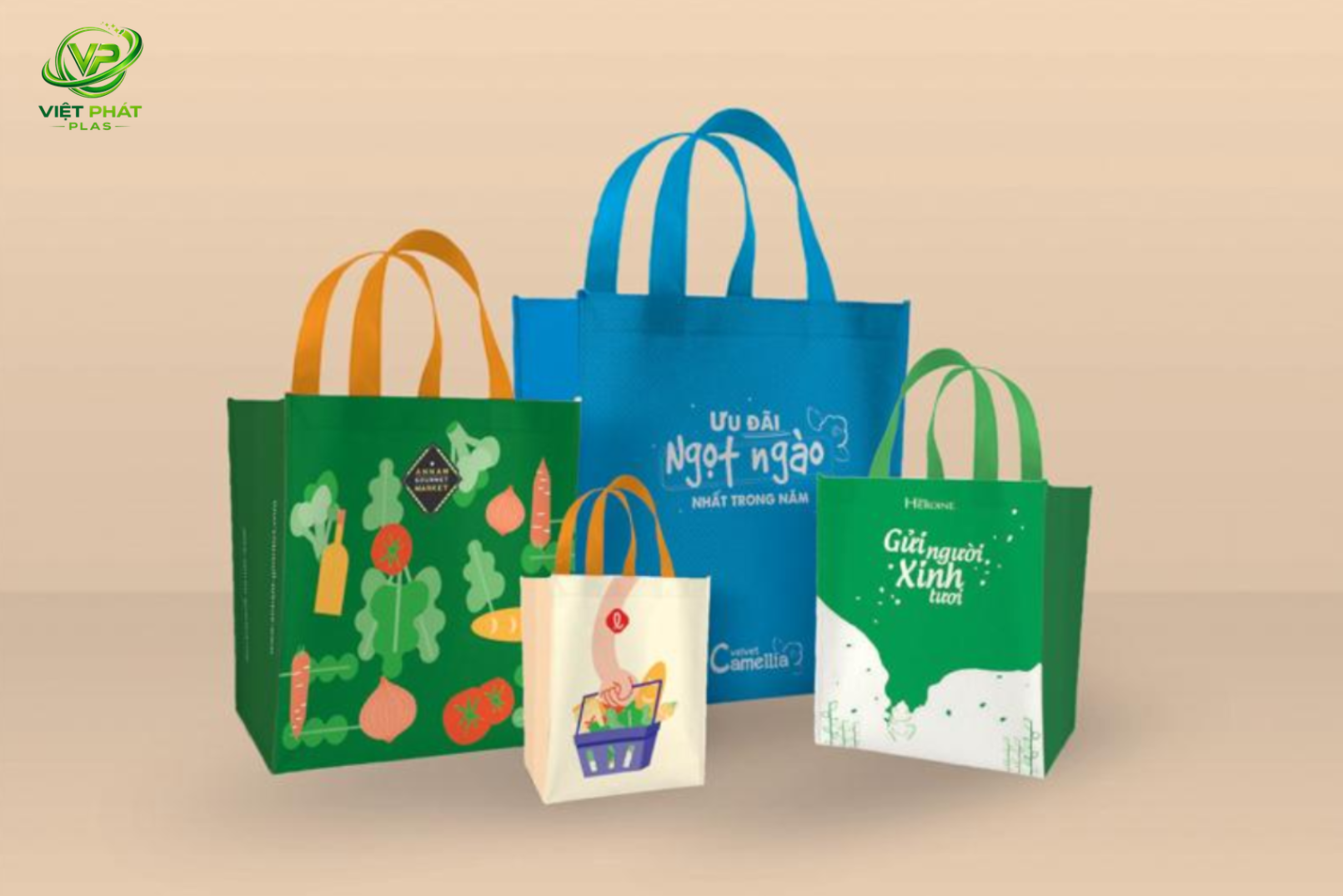
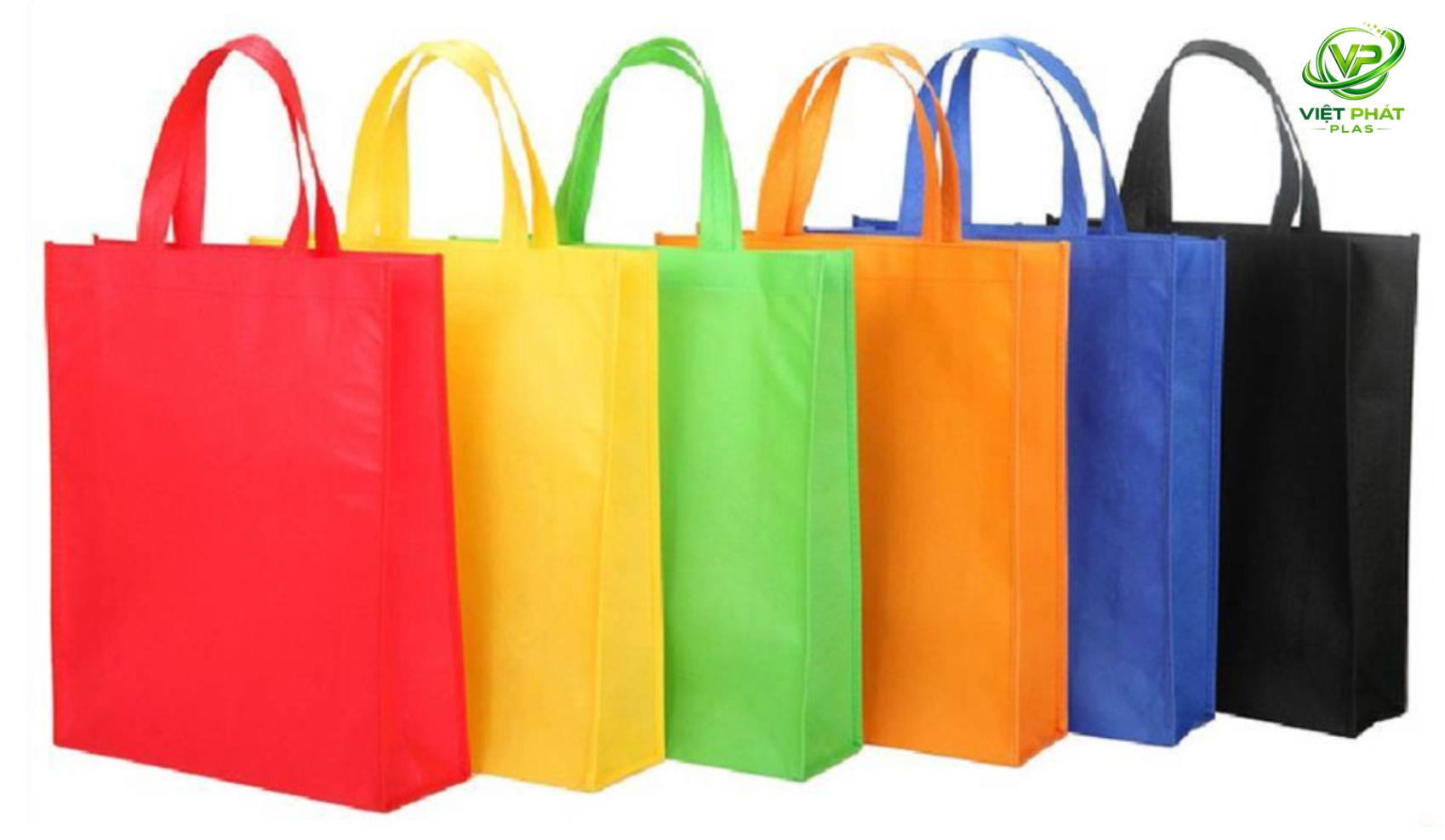
PP non-woven reusable bags for branding campaigns
PP non-woven bags support colorful printing and strong branding visibility. They also provide moderate carrying capacity.
These bags are popular among businesses targeting environmentally conscious customers.
However, PP non-woven products generally cost more than thin plastic packaging.
PP woven bags
PP woven bags provide the highest strength among retail packaging materials.
Factories produce these bags using woven polypropylene strips. This structure creates excellent durability and tear resistance.
Heavy products often require woven packaging solutions. Rice, fertilizer, and animal feed manufacturers commonly use these bags.
 Reusable PP woven bag for heavy products
Although expensive, these bags offer a very long service life.
Factors affecting reusable shopping bag prices
Many buyers only focus on unit pricing. However, production costs depend on several technical factors.
Understanding these factors helps importers negotiate better contracts with suppliers.
Material quality
Material quality strongly affects reusable shopping bag prices. Virgin material usually costs more than recycled material.
Virgin resin creates cleaner surfaces and stronger consistency during production.
Recycled material reduces environmental impact and lowers overall packaging costs.
However, recycled quality depends on the source and processing method.
Some buyers prefer mixed material solutions to balance cost and performance.
Bag thickness
Thickness directly changes raw material consumption and production efficiency.
Thin bags sometimes increase manufacturing difficulty. Production lines must operate more carefully during processing.
Factories also limit recycled content in extremely thin packaging products.
A thicker reusable shopping bag usually supports higher load capacity and longer usage cycles.
Retailers selling heavy products often choose thicker material structures.
Printing requirements
Printing complexity also affects reusable shopping bag prices.
Simple one-color printing remains the cheapest option for large-volume production.
Full-color printing requires advanced machines and additional production steps.
Special surface finishes can further increase production costs.
Many luxury brands accept higher printing costs for better visual appearance.
Bag size
Bag dimensions influence both material usage and machine efficiency.
Small bags sometimes reduce production speed during cutting and sealing.
Larger bags consume more material but improve manufacturing efficiency.
Factories calculate pricing carefully based on total material consumption.
Additional features
Some businesses request special additives for performance improvement.
Popular additives include anti-slip formulas, fragrance additives, and enhanced durability compounds to improve customer experience and product quality.
However, special additives increase raw material expenses.
Average reusable shopping bag prices in 2026
Global packaging costs continue changing due to energy prices and raw material fluctuations.
Still, buyers can estimate realistic pricing ranges before sourcing products internationally.
HDPE reusable bag pricing
An HDPE plastic bag remains one of the most affordable retail packaging products available today.
-
Virgin HDPE material usually costs between 1.3 and 1.5 USD per kilogram.
-
Recycled HDPE products typically range from 1.0 to 1.2 USD per kilogram.
Many retailers choose HDPE packaging for high-volume distribution programs.
LDPE reusable bag pricing
An LDPE plastic bag generally costs more than HDPE alternatives.
Premium LDPE products often require better surface quality and stronger printing performance.
Pricing usually depends on thickness, color, and recycled content percentage.
PP non-woven bag pricing
PP non-woven products usually range from 0.05 to 0.10 USD per piece.
Pricing depends on fabric weight, handle design, and printing complexity.
Colorful designs often increase production expenses.
PP woven bag pricing
PP woven packaging usually ranges from 0.20 to 0.45 USD per piece.
These bags support heavy products and long-term reuse applications.
Many industrial businesses prefer woven structures because of their durability.
How to choose the best reusable bag supplier
Choosing the correct supplier is extremely important for international buyers.
-
Reliable factories provide stable quality and transparent production processes.
-
Evaluate production capacity, export experience, and testing standards carefully.
-
Suppliers should provide clear samples before mass production.
-
Communication speed and delivery reliability
Many importers now prefer Vietnamese packaging manufacturers because production costs remain competitive. VietPhatPlas offers flexible customization, stable export quality, and competitive pricing for businesses seeking reliable plastic bag manufacturing solutions.
Conclusion
The global packaging industry continues moving toward sustainable retail solutions. A reusable shopping bag helps businesses reduce waste while improving brand visibility. Businesses should compare quality, durability, and reusable shopping bag prices before choosing suppliers. The right packaging strategy can improve both customer satisfaction and long-term profitability.
VietPhatPlas is a trusted Vietnamese packaging manufacturer specializing in HDPE, LDPE, and other reusable plastic bag solutions for global markets.
📞 Contact VietPhatPlas Today:
-
Phone: +84 342 815 298
-
Office: 119 Alley 7, Quan Chay Street, An Khanh Commune, Hanoi City
-
Factory: 119 Alley 7, Quan Chay Street, An Khanh Commune, Hanoi City