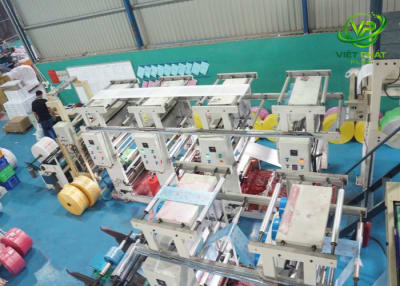
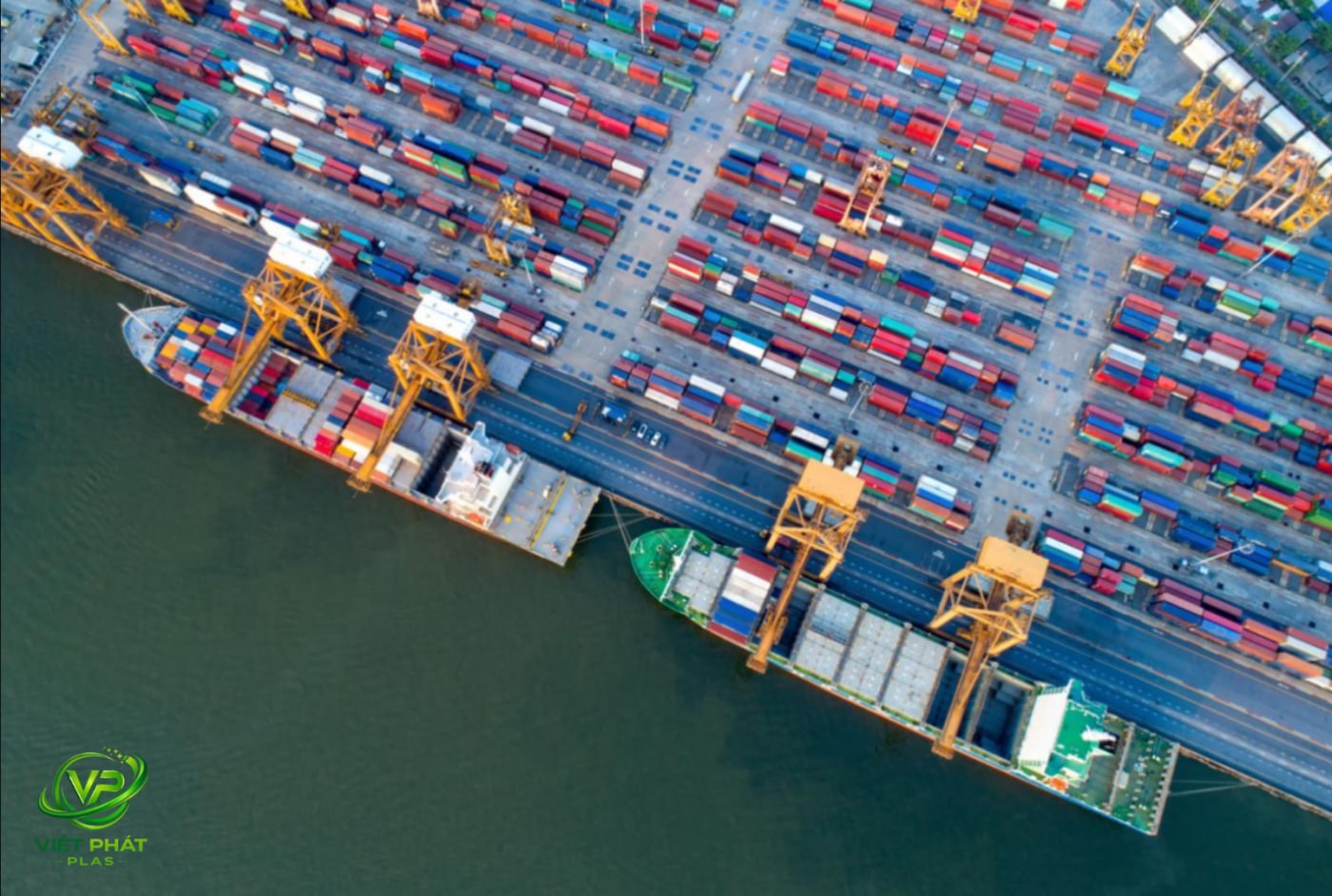
Global Delivery Delays and Their Impact on Plastic Bag Export Businesses
Table of Contents
In the context of a volatile global market, delivery delays have become a serious issue, directly affecting plastic bag export businesses. Although large factories were once considered reliable partners, supply chain disruption remains widespread. According to Sea-Intelligence (2025), on-time delivery performance is only about 65%, meaning 35% of shipments are delayed. This indicates that global delivery delays have not improved and the global supply chain remains unstable.
What are global delivery delays in the supply chain?
Delivery delays refer to shipments not arriving at the committed time. This issue is common in the global environment and is often linked to supply chain disruption across multiple stages:
-
Delays in manufacturing at factories
-
Delays in logistics transportation
-
Delays in port handling
Plastic manufacturing delays occur when factories fail to complete orders on time, often due to material shortages or overload. Global shipping delays happen when goods are held up in logistics, often caused by port congestion. Additionally, port processing delays also extend delivery time. These factors combined lead to global delivery delays.
Causes of global delivery delays in large factories
Overloaded production capacity
Overcapacity at large factories does not happen randomly. It is the result of a chain of interconnected events. First, plastic raw material prices fluctuate significantly in the global market. This increases production costs and puts financial pressure on smaller factories.
When they can no longer sustain profitability, many small factories cancel contracts. As a result, orders are shifted to larger factories. At the same time, global shipping demand grows by about 3 to 5 percent annually (Reuters, 2025).
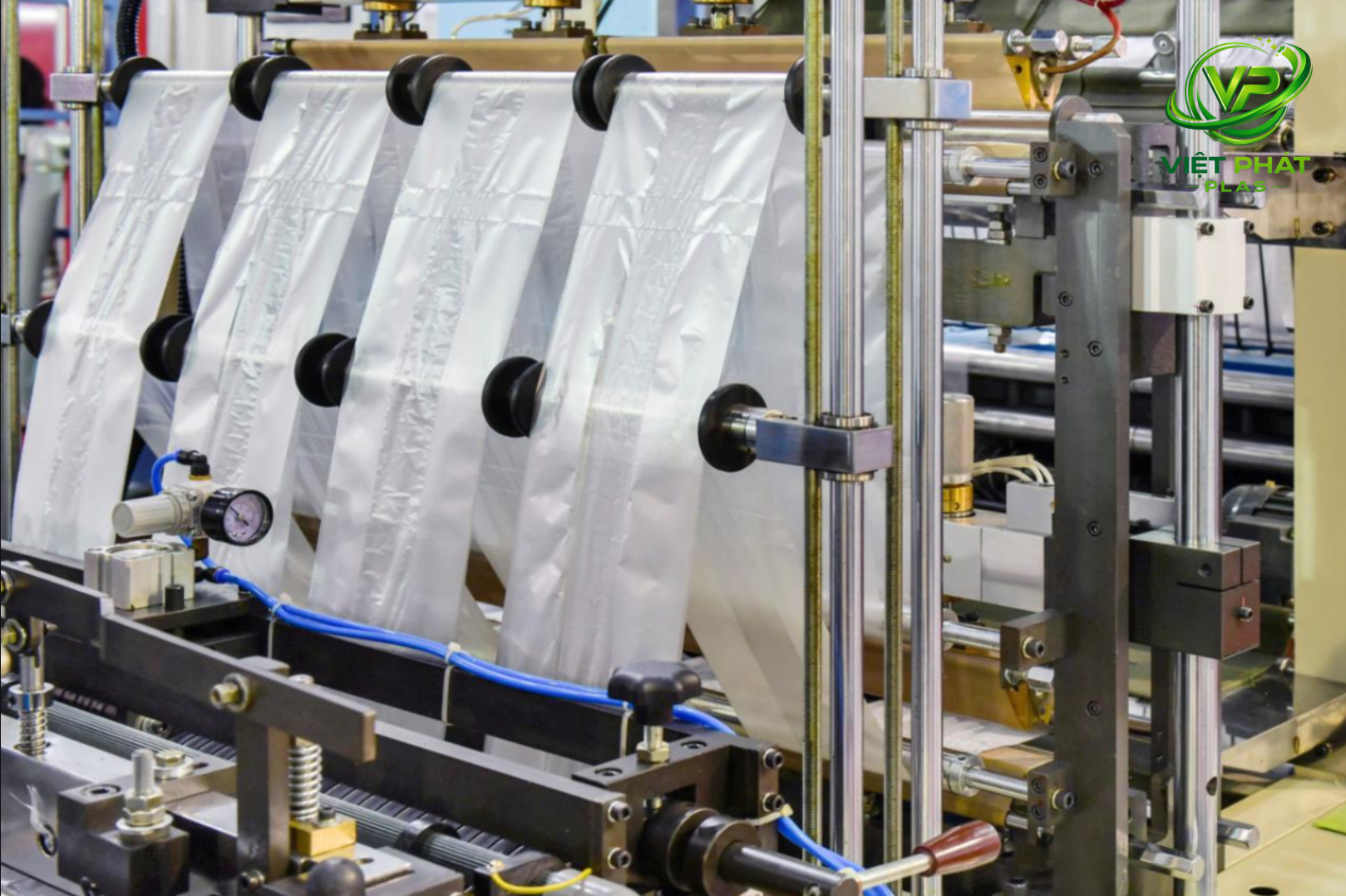 Handling a large volume of orders leads to production delays in the plastic industry
Consequences include:
-
Extended production time
-
Reduced operational efficiency
-
Increased production errors
-
Prioritization of large clients
Unstable raw material supply
The plastic bag industry depends on PE and PP materials. These are essential for production. Supply is affected by oil prices and trade disruptions (ICIS, 2025), causing plastic manufacturing delays. When materials are unstable, factories cannot maintain schedules, increasing delivery delays.
Consequences include:
-
Production interruptions
-
Reduced capacity
-
Missed delivery timelines
-
Increased costs
Logistics and transportation disruptions
Logistics is the main cause of global shipping delays and a key factor in supply chain disruption. Recent data shows:
-
Average vessel delay is about 4.5 - 4.8 days (Sea-Intelligence, 2025)
-
Some ports experience delays over 10 days (Tradlinx, 2025)
-
96% of ports are congested (Tradlinx, 2025)
-
Container dwell time reaches 10.1 days (Vizion, 2025)
These factors increase global shipping delays, leading to more delivery delays.
Rising transportation costs
Increasing logistics costs affect delivery planning and contribute to global shipping delays. Data shows:
-
Average container price is 2,123 USD (Drewry, 2026)
-
Some routes increase up to 19% (Drewry, 2026)
-
A one-day delay significantly increases costs (Global Maritime Hub, 2025)
Higher costs force businesses to adjust shipping strategies, leading to more delivery delays.
Impact on export businesses
Financial pressure and contract risks
Delivery delays create significant financial pressure for export businesses. When shipments are not delivered on time, companies risk violating contract terms and facing penalties or even order rejection. This disrupts cash flow and reduces profitability. At the same time, supply chain disruption limits operational control. When plastic manufacturing delays occur, businesses must seek alternative suppliers at higher costs. If they switch to faster shipping to meet deadlines, logistics expenses increase further. In the context of ongoing global shipping delays, these costs become increasingly difficult to manage.

Delivery delays increase costs and disrupt cash flow for export business
In the long term, repeated delivery delays reduce customer retention and increase the risk of losing major contracts to competitors. Companies that can ensure more stable delivery performance will gain a clear competitive advantage in the market.
Declining brand reputation and competitiveness
Beyond financial losses, delivery delays also damage a company’s reputation. In export markets, on-time delivery is a critical factor. When delays occur repeatedly, customers lose trust, even if product quality remains consistent. At first, clients may accept explanations related to supply chain disruption. However, if the situation does not improve, confidence gradually declines.
Meanwhile, many competitors are investing heavily to reduce global shipping delays and optimize their supply chains. This creates a clear competitive gap in the market. Over time, companies frequently facing plastic manufacturing delays will struggle to maintain their position internationally. Reputation damage affects not just individual orders but the entire brand. In a highly competitive environment, delivery speed becomes a key strategic advantage.
Future outlook
In a context where delivery delays have not been fully resolved, VietPhatPlas has the opportunity to strengthen its position by effectively controlling its supply chain. As supply chain disruption continues on a large scale, companies that maintain stable production timelines will gain a clear competitive advantage. This is the right time for VietPhatPlas to leverage its internal capabilities and build a reputation as a reliable partner in the global market.
At the same time, maintaining a stable raw material supply and managing inventory efficiently will help reduce risks from plastic manufacturing delays. While many factories still depend on volatile supply sources, the ability to control production proactively becomes a key differentiator. This not only ensures consistent delivery performance but also helps optimize costs in the long term.
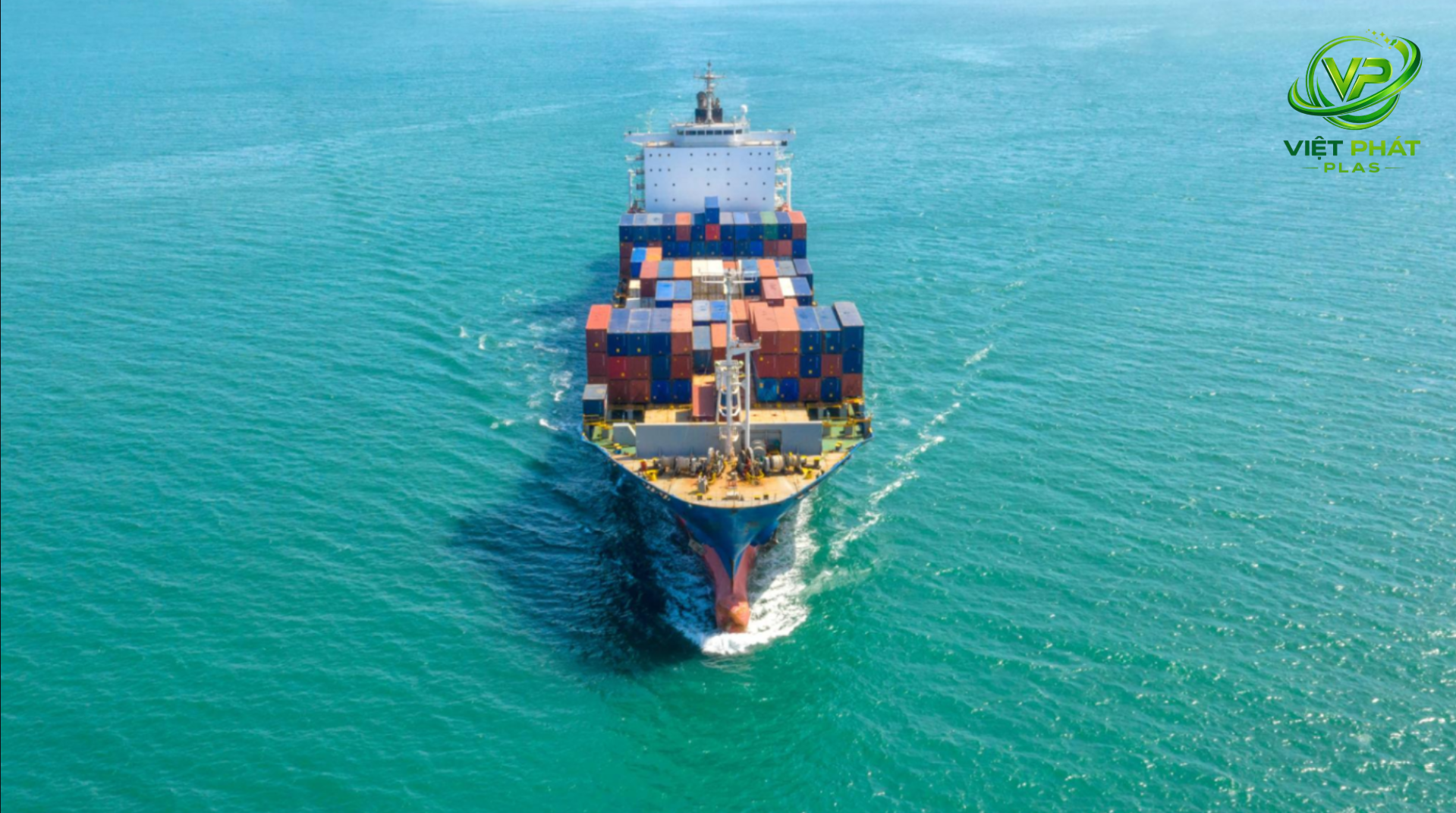
VietPhatPlas gains a competitive edge by stabilizing production and securing supply, reducing delivery delays
Looking ahead, as global shipping delays remain a challenge, VietPhatPlas can strengthen partnerships with logistics providers and adopt real-time tracking technologies. Proactive control over both production and transportation will help minimize delivery delays, enhance credibility, and support sustainable expansion in international markets.
Conclusion
Delivery delays from large factories are a serious issue affecting plastic bag exporters, as they disrupt timelines and increase operational risks. Businesses that remain flexible and proactive in managing their supply chains will be better positioned to secure long-term advantages and maintain customer trust.
In this context, companies like VietPhatPlas benefit from strong production control, stable inventory, and the ability to minimize plastic manufacturing delays. These capabilities not only ensure more reliable delivery performance but also help strengthen competitiveness and expand presence in the global market.
>>>>> For quotation details and custom plastic product price, visit:
https://vietphatplas.com/en/contact-us
>>>>>>> Learn more about Top Custom Plastic Bag Manufacturer In Vietnam:
https://vietphatplas.com/en/blogs/top-custom-plastic-bag-manufacturer-in-viet-nam-vietphatplas